About us
Solving Human-Wildlife Conflicts Through Innovation
At OrniLogic, we harness cutting-edge technology, deep ecological insight, and a respect for wildlife intelligence to develop innovative, non-lethal solutions for conservation and wildlife management. Our expertise lies in understanding bird behavior, mitigating human-wildlife conflicts, and transforming emergent technology into practical tools. Through collaboration with top engineers and fabricators, we bring creative, science-backed strategies to life—ensuring the best outcomes for both wildlife and the environments they inhabit.
Our Focus Areas
OrniLogic specializes in resolving clashes between humans and wildlife through three key approaches:
-
Redistribution
-
Reduction
-
Reform
By combining innovative deterrent technology with behavioral insight, OrniLogic shifts wildlife away from energized infrastructure before damage occurs to reduce fire risk, outages, and costly equipment repairs.
Through drone-deployed remote egg oiling and off-site monitoring, OrniLogic delivers measurable results by managing populations of birds that nest on, roost near, or forage around energized equipment.
Using targeted, technology-driven deterrence, wildlife are conditioned to avoid infrastructure entirely. The NAIL breaks the nesting cycle before it starts, converting high-risk sites into low-risk ones rather than managing consequences after the fact.
Key Team Members
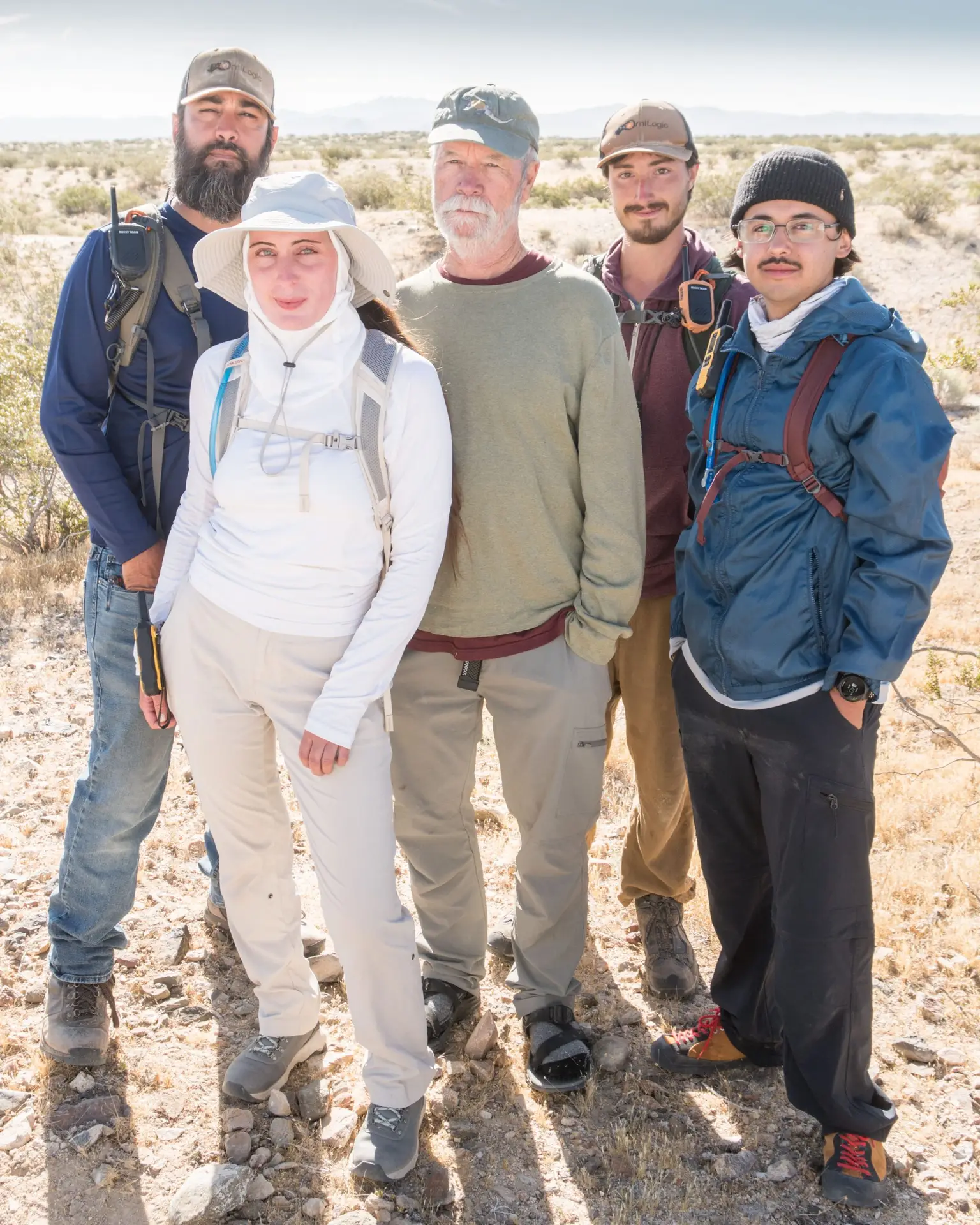
We are a collective of conservation scientists, engineers, and problem solvers dedicated to ethical and effective wildlife management. With a vast network in the conservation and engineering fields, we have the expertise to address complex challenges—and when we don’t, we know exactly who to call.
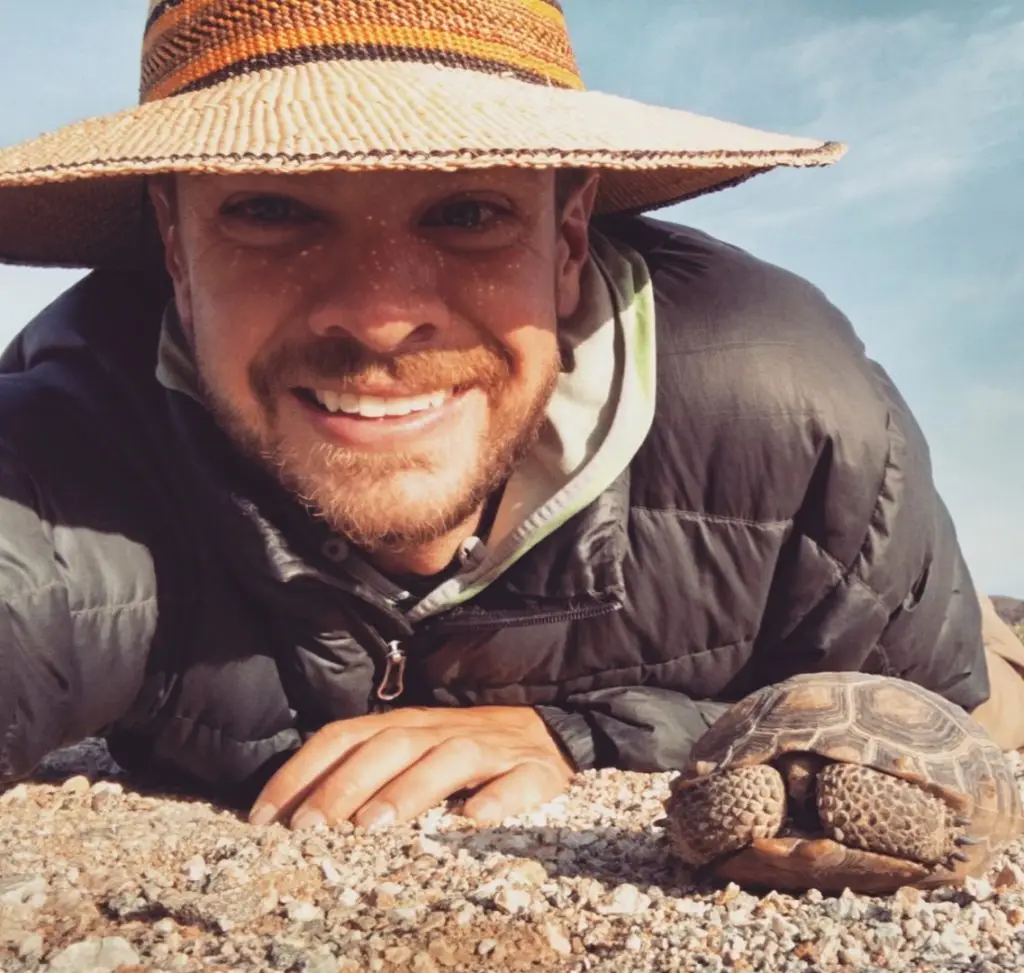
Craig Sherwood
Craig Sherwood
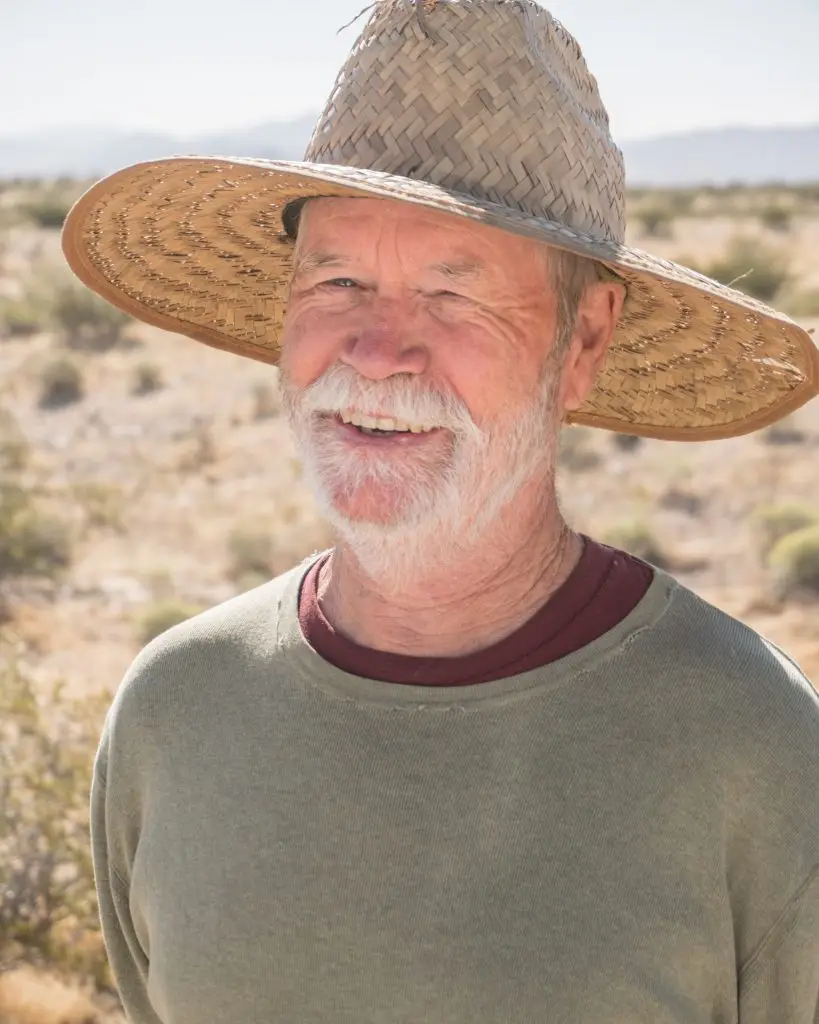
Tim
Shields
Tim Shields
A half-century of work on tortoise conservation has served to make Tim Shields a humble man. He has learned, most of all, how much more there is to learn about these ancient reptiles. 35 years in the field made him familiar with tortoise ecology and the survival challenges they face. Another 15 years has taught him the complexity associated with keeping them on the planet. A Luddite by nature, he has, of necessity, become an unlikely technologist. Lasers, 3D printers, remote internet links, so many batteries, and a dizzying array of sensors now populate his mind. Ravens, in their tens of thousands, and invasive grasses obsess him. The hope of applying the fruits of human invention to the task of rescuing our fellow Earthlings propels him. The dream of awakening in humanity a love commensurate to the blessings we have received, and continue to receive, feeds his soul.
Ryan
Boarman
Ryan Boarman
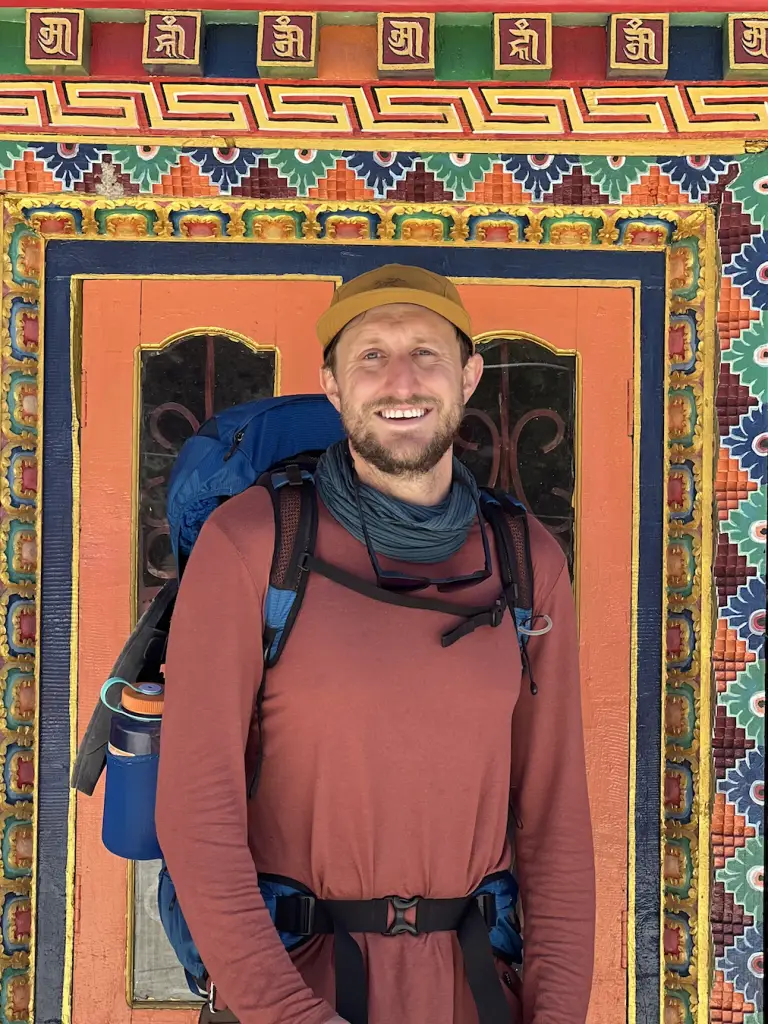
Ryan Boarman is a conservation ecologist and geospatial scientist leading field research across deserts, oceans, and mountain ecosystems. With an M.S. in Environmental Science from the University of Cologne, he uses his ecological expertise to develop practical solutions to complex environmental challenges, applying a deep understanding of natural systems to guide how data are collected, interpreted, and used. Building on years of field-based research, Ryan integrates advanced geospatial technologies such as remote sensing, UAVs, and spatial modeling with traditional ecological methods to better understand and manage ecosystem change. He specializes in the use of bioacoustics and camera trapping to monitor wildlife and reveal patterns of biodiversity across dynamic landscapes. Ryan performs ecological and environmental studies supporting species conservation and landscape restoration, connecting field observations with large-scale satellite and sensor data. His work plays an integral role in advancing environmental sustainability and wildlife conservation throughout California and beyond. Through his research and development of data-driven conservation tools, he transforms complex environmental data into actionable insights that guide restoration, biodiversity monitoring, and climate resilience efforts.
Bill
Boarman
Bill Boarman
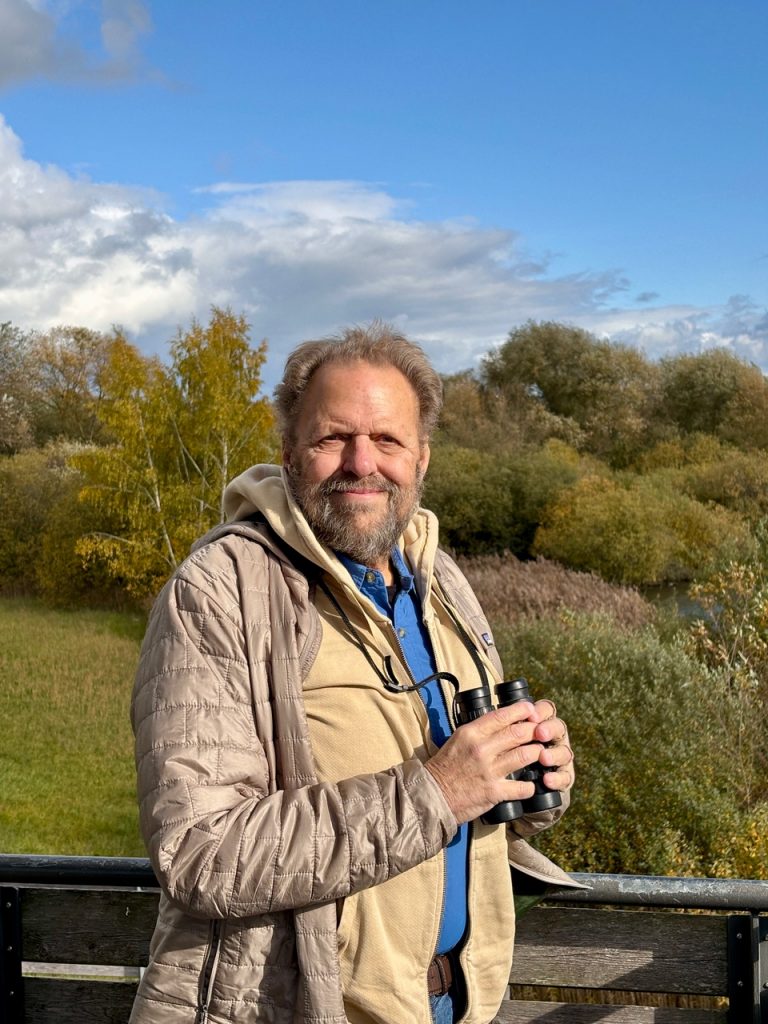
William I. Boarman, Ph.D., is a wildlife ecologist with more than four decades of experience in field research, conservation science, and applied ecological problem-solving. He earned his doctorate in Ecology from Rutgers University and is the founder and owner of Conservation Science Research & Consulting. Previously, he served as a research wildlife scientist with the U.S. Geological Survey and the Bureau of Land Management, providing scientific and technical expertise to numerous state and federal agencies.
Dr. Boarman has authored more than 40 peer-reviewed publications and over 50 technical reports addressing key issues in wildlife ecology and conservation biology. His research has focused on the ecology and conservation of the desert tortoise (Gopherus agassizii), common raven (Corvus corax) biology and management, and broader aspects of terrestrial vertebrate ecology. He has conducted large-scale assessments of wildlife threats, management strategies, survey methodologies, and conservation planning.
As Chief Scientist at Hardshell Labs and now OrniLogic, Dr. Boarman assists development and leads scientific testing of cutting-edge technologies for wildlife management and conservation. He bridges science and application by ensuring that each innovation is scientifically robust and tailored to real-world user needs. His work has included the use of remote-fired hyperspectral lasers to deter predators and nuisance birds, drone-based systems for egg oiling, and 3D-printed tortoise models used to study and condition ravens to modify their predatory behavior. Currently, he and the OrniLogic team are advancing new applications of multispectral lasers, directed-energy systems for controlling invasive weeds, and innovative acoustic monitoring platforms that use sound analysis to evaluate the effectiveness of deterrent strategies. Together, these technologies aim to reduce avian depredation and enhance protection for endangered species and other vulnerable resources.
Ken
Kolbly
Principal Engineering Advisor
Ken Kolby
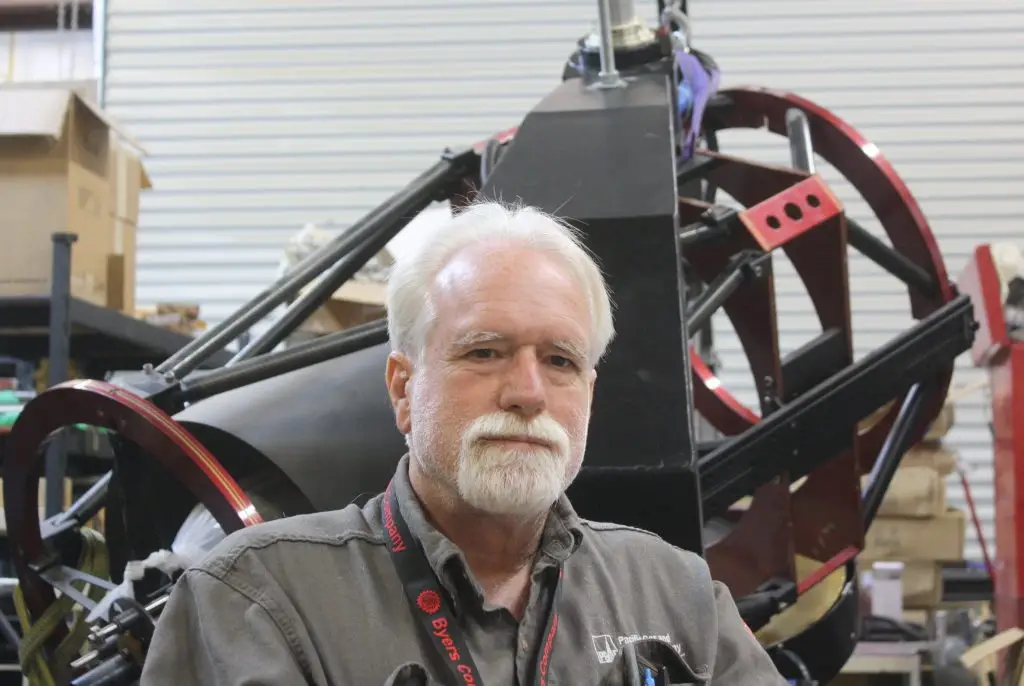
Ken Kolbly has been working working with electronics and mechanical systems for over 50 years. His decades of experience in the famed Lockheed “Skunk Works”, working with Atari, and a few other lesser known technology companies have taken him to where he is today, leading a world renowned manufacturer of astronomical equipment into the new century.
His skills include designing electronics and embedded control systems, developing the software that runs them and makes them work, as well as mechanical design and fabrication.
His shop includes well-equipped labs for electronic fabrication, testing and development as well as a full machine shop with both CNC and manual capabilities, along with 3D printers and scanners.
Ken has a innate curiosity and genuine enjoyment of building things that far predates the modern “Maker Movement”. His true passion is working with customers and helping them solve their problems, converting their difficulties or ideas into real things that work and can be used.
Abraham
Basulto
Field Technician
Carrie
Drake
Erica
Schafer
Field Tech & Field Lead
Elizabeth
Wolff
Nicki
Poer
Administration
Michael
Darter
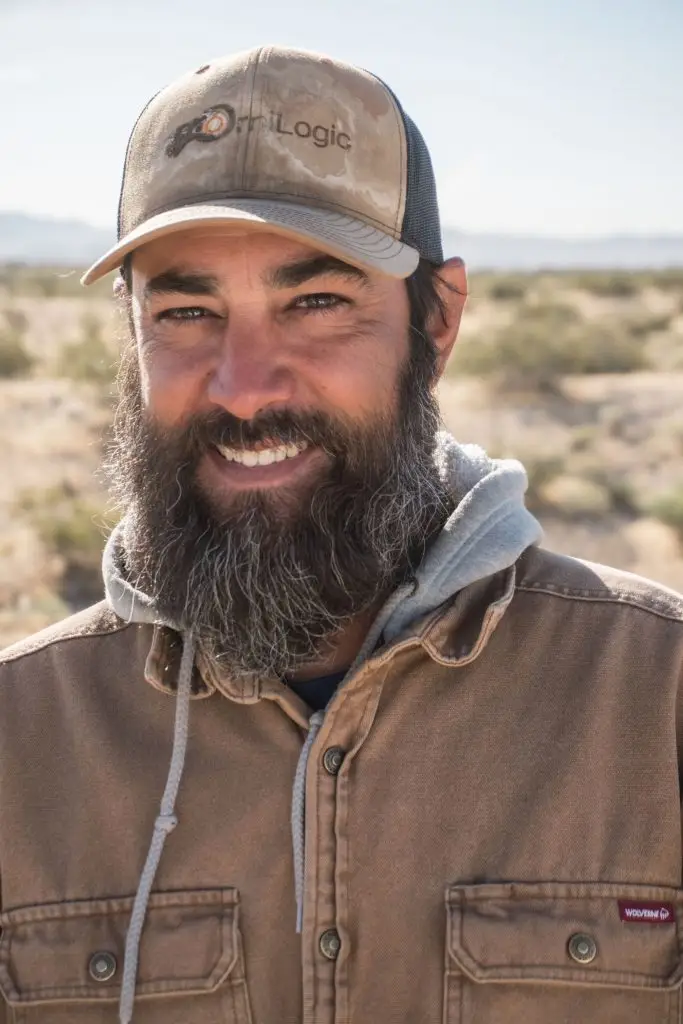
Daniel
Hauan
Field Tech
Vita
Sheehy
Advisor-at-Large
Get in touch
Ready to build smarter, more sustainable solutions for wildlife conservation together?